
THE UNUSUAL REQUIREMENT IS WHERE WE START.
Mobile command posts, drone response units, RV conversions and disaster-recovery vehicles. The builds with no template are where planning matters most.
When the vehicle is the operations center.
Mobile command
Command posts on wheels for law enforcement, fire, emergency management and public works: workstations, radios, displays, masts and power.
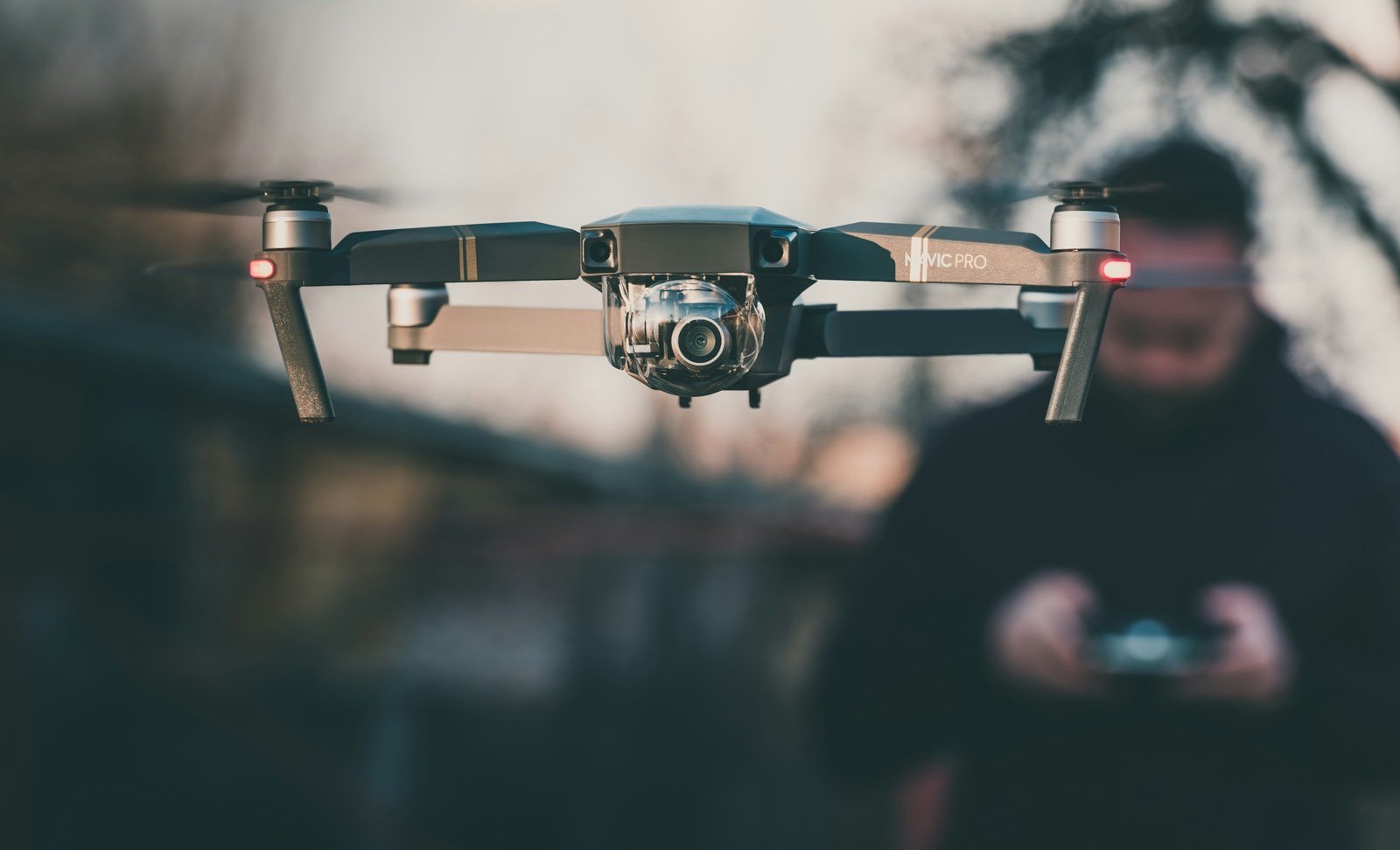
Drone (UAS) units
Response vehicles for drone teams: aircraft storage, battery charging, launch area lighting, live video and the connectivity to share it.
RV conversions
Motorhomes and towables converted into command, communications or support units, with the power and systems the original coach was never built for.
Disaster recovery
Vehicles and systems that restore communications, power and coordination when local infrastructure is down.
Tactical + team support
Equipment and personnel vehicles for specialty teams that need secure storage and dependable communications.
One-off builds
If it doesn't fit a category, bring us the problem. That's where our design work starts.
An office, a radio room and a generator.
Command vehicles stack every system on this site into one platform, then add masts, satellite, workstations and generator power. Weight, power budget and cooling come first.
- 1Telescoping mast + camera
- 2Satellite + antennas
- 3Workstations + displays
- 4Generator + power
- 5Warning + scene lighting
Start with what happens when it parks.
Most vehicles are designed around driving. Command, drone and recovery units are designed around being parked for hours or days. That changes everything.

Vehicle Upfit Planning Worksheet
Capture the assignment, platform, equipment and power needs before the first quote.
- Power budget. Generator, battery and shore power sized for every workstation, radio, display and the air conditioning at the same time.
- Communications when the network is down. Radio, cellular, satellite and mesh options so the vehicle works where infrastructure doesn't.
- Seeing the scene. Telescoping masts with cameras, drone video feeds and displays that put them in front of the decision-makers.
- Weight and balance. Equipment, batteries and generators add up. The build has to stay within the chassis ratings.
- Heat. Electronics and people in a closed box need cooling planned in from the start.
- Setup time. How fast it goes from parked to operational, and how many people that takes.
Get the aircraft up faster.
A drone team's vehicle is a hangar, a charging station and a video hub. Laid out right, the aircraft is in the air minutes after arrival.
Secure aircraft storage
Padded, organized storage for aircraft, controllers and payloads, ready to grab and launch.
Battery charging
Charging stations with the power to cycle batteries through a long operation.
Live video sharing
Displays and connectivity to put the drone's view in front of command, on scene or remote.